
Newsletter -July ‘26
Issue 005 - July 2026
It has been another rewarding month at Sunshine Coast Equine Hospital, with our team caring for horses with a wide variety of medical and surgical conditions. From emergency treatment to carefully planned surgeries, we've had the privilege of helping horses with all kinds of challenges. Here are a few of the interesting cases we've managed this month.
A sudden turn for the worse – understanding colitis
One of our most memorable cases this month was a 25-year-old gelding who reminded us just how quickly a horse's condition can change.
He initially presented to Dr Brianna with a deep infection within the cornea, known as a stromal abscess. Because these infections can be difficult to treat, he was started on intensive topical medications delivered through a subpalpebral lavage (SPL) system, allowing medications to be administered frequently without repeatedly opening his painful eye. Prior to referral, he had also been receiving oral antibiotics, which were changed to better target the infection.
Everything seemed to be progressing well until, just a few days after stopping his oral antibiotics, he suddenly developed lethargy, colic, high fever and diarrhoea. Blood tests also showed a markedly reduced white blood cell count, indicating he was fighting a serious illness.
He was diagnosed with colitis and immediately transferred into our isolation intensive care unit.
Colitis simply means inflammation of the large intestine, but in horses it can rapidly become life-threatening. There are many possible causes, including infectious diseases such as Salmonella, but sometimes anything that disrupts the normal balance of bacteria within the gut, including transport, hospitalisation or antibiotic use, can increase a horse's risk.
As the colon becomes inflamed, horses can lose large volumes of fluid and electrolytes through diarrhoea, becoming dangerously dehydrated. Many also develop a severe whole-body inflammatory response, called SIRS (systemic inflammatory response syndrome), which can affect multiple organs and dramatically increase the risk of laminitis.
This gelding required around-the-clock intensive care, including intravenous fluids, powerful anti-inflammatory medications and constant monitoring. Ice boots were applied continuously to his feet to help reduce the risk of laminitis.
Despite every preventative effort, he unfortunately did develop severe laminitis and became extremely painful. He required strong pain relief, specialist corrective farriery guided by radiographs, and ongoing intensive nursing.
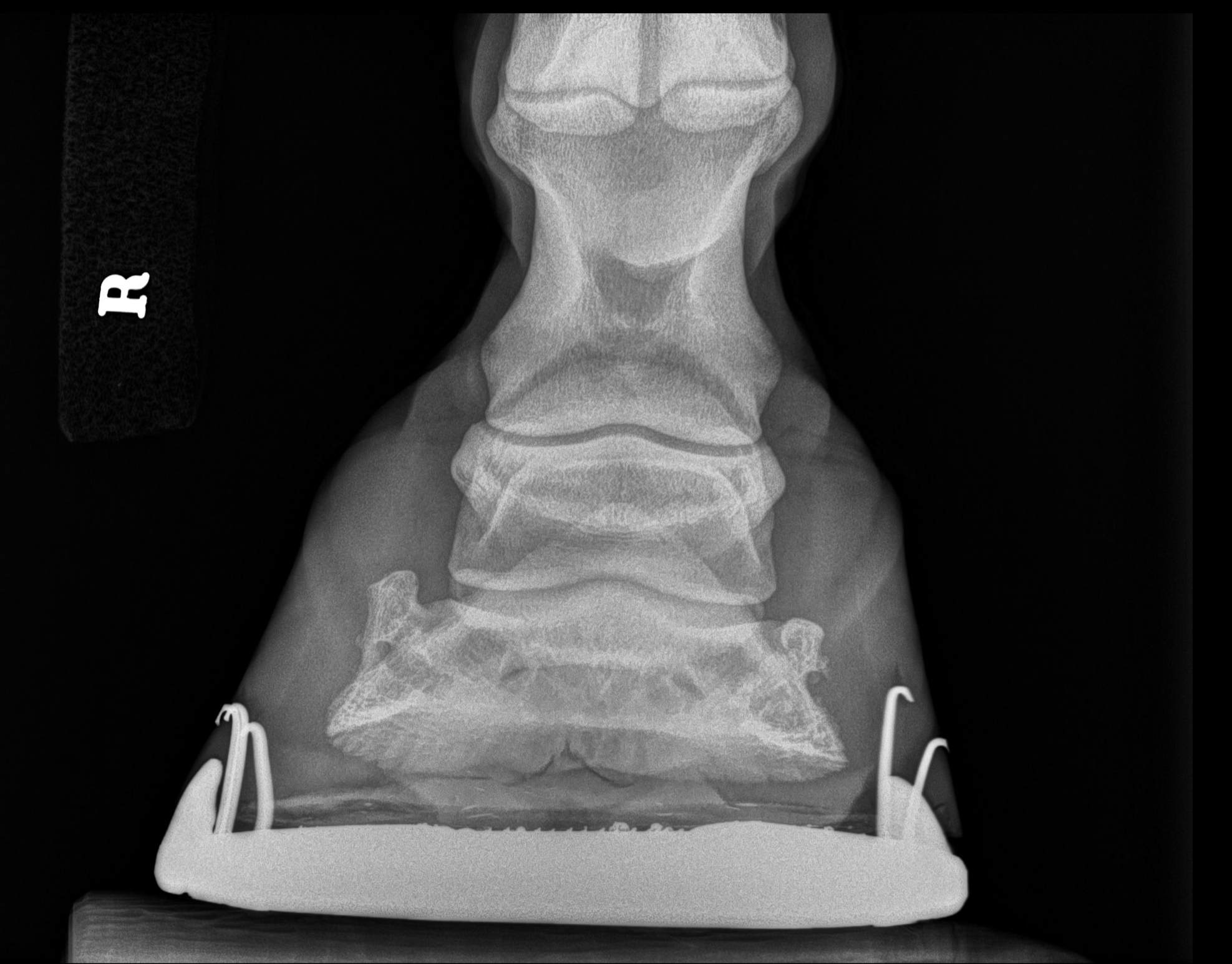
Radiograph of the hoof showing medio-lateral instability associated with ‘sinking’ with laminitis.
Thankfully, after many challenging days in hospital, he slowly turned the corner and was finally able to head home to continue his recovery with his dedicated owners.
His story is an important reminder that while antibiotics are invaluable medications, they are not without risks. Horses receiving antibiotics should always be monitored closely, and if signs such as diarrhoea, fever or colic develop, veterinary attention should be sought immediately.
Behavioural changes in mares – when is an ovariectomy the right choice?
There are several reasons why a mare may undergo an ovariectomy, or surgical removal of the ovaries. One of the most important is an abnormality affecting the ovary, such as a granulosa cell tumour. These tumours can alter a mare’s normal hormone production and may result in changes in her reproductive cycle and behaviour. Some mares can become quite stallion-like in their behaviour and may eventually become infertile.
However, abnormal ovaries are not the only reason we may consider this surgery. Some mares experience significant behavioural changes associated with their reproductive cycle. They may become difficult to train, excessively aggressive or challenging to manage when in season, and in some cases these behaviours can significantly affect their ability to perform their usual job.
There are several ways of managing these mares. Hormone supplementation, most commonly altrenogest, can be used to suppress cycling and unwanted oestrous behaviour. This can be very effective, but it requires ongoing treatment and can become expensive over time. There are also important safety considerations when administering these medications, particularly with products that require daily handling. An anti GNRH vaccine was available in Australia and this can prevent mares from cycling for long periods, if not permanently. Currently there are only off label products designed for other species available in this category, and while these can work can have side effects.
For some mares, owners may therefore consider ovariectomy as a permanent solution. Removing both ovaries prevents normal cycling behaviour, essentially creating a hormonal state similar to that of a gelding. The obvious trade-off is that the mare will no longer be able to breed.
This month we had a 14-year-old mare presented for ongoing behavioural concerns both on the ground and under saddle. Tias had previously performed a thorough diagnostic work-up to rule out other potential causes of these changes, including pain and other medical conditions. Once these had been excluded, the mare was trialled on altrenogest, with a significant improvement in her behaviour.
After discussing the options with her owners, they elected to proceed with a standing laparoscopic ovariectomy. This minimally invasive, "keyhole" approach allows the ovaries to be removed while the mare is standing under sedation, rather than requiring a traditional abdominal surgery under general anaesthesia.
The development of standing laparoscopic surgery has significantly changed how we approach procedures such as ovariectomy. It generally allows for smaller surgical wounds, less disruption to the horse and a much shorter recovery period compared with traditional approaches.
For this mare, the goal was to find a long-term solution that would allow her to be more settled and manageable, while also reducing the need for ongoing hormonal medication. She recovered very well from surgery and will now continue her rehabilitation before returning to her usual activities.
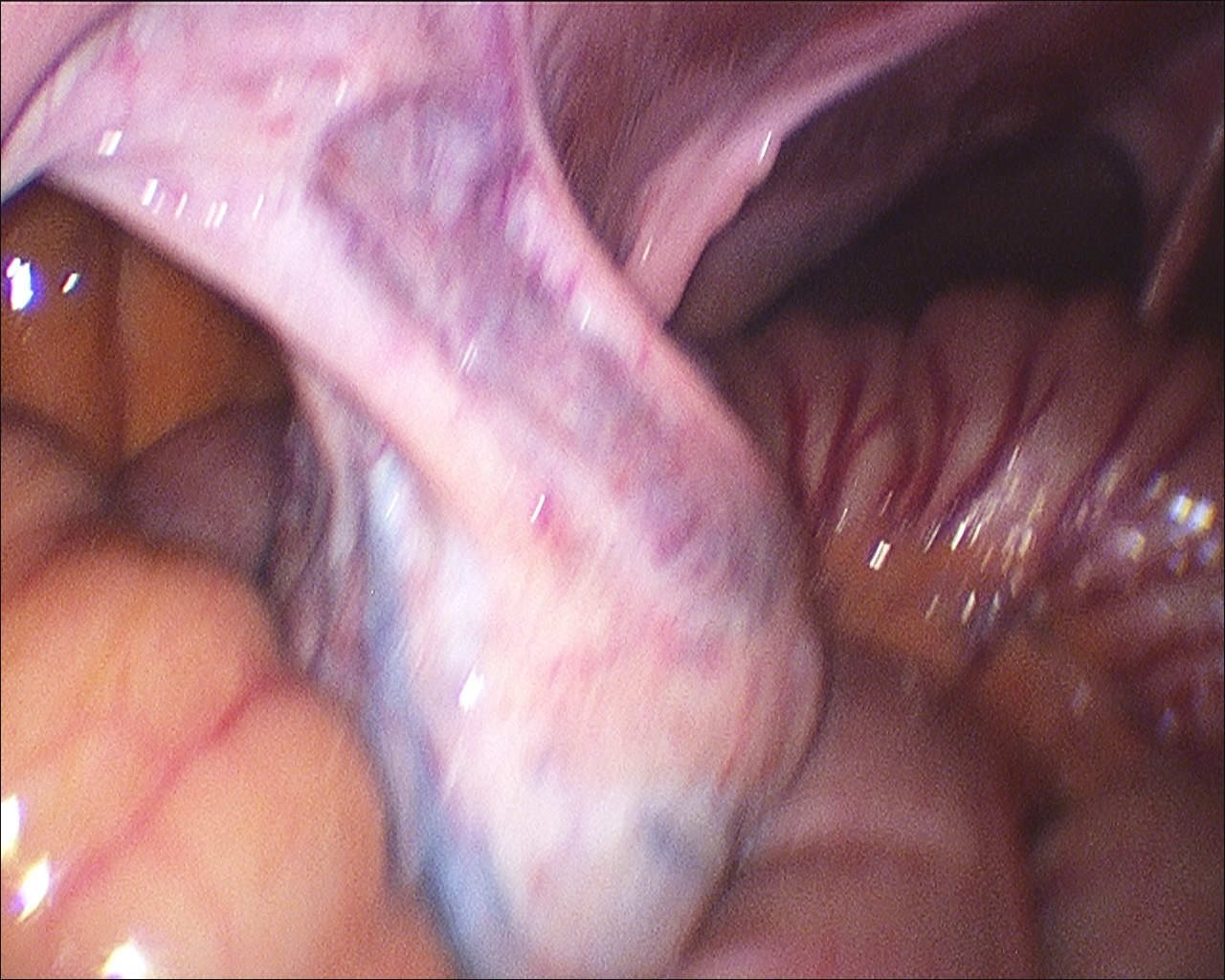
Image from laparoscopy showing ovary
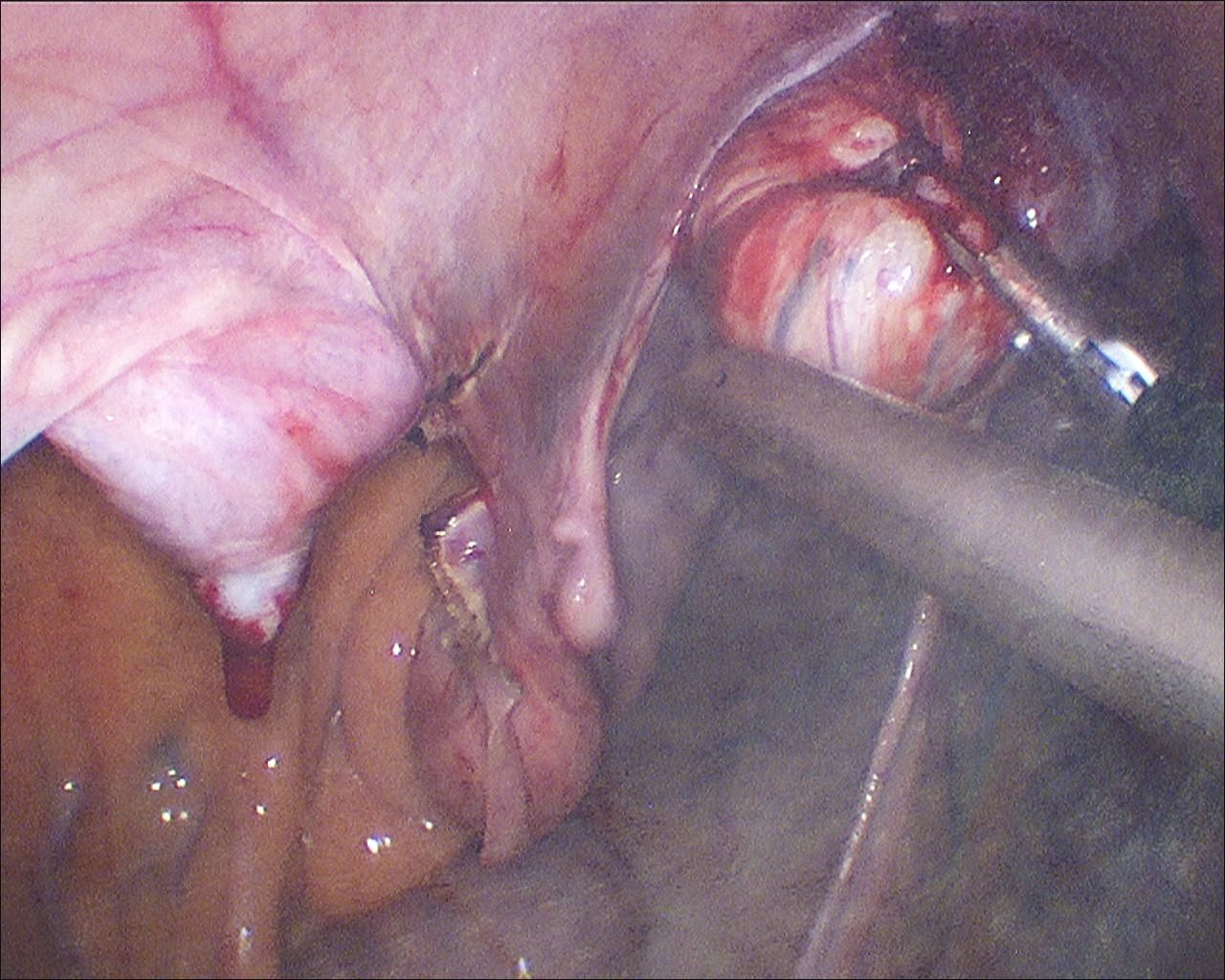
Image from laparoscopy during removal
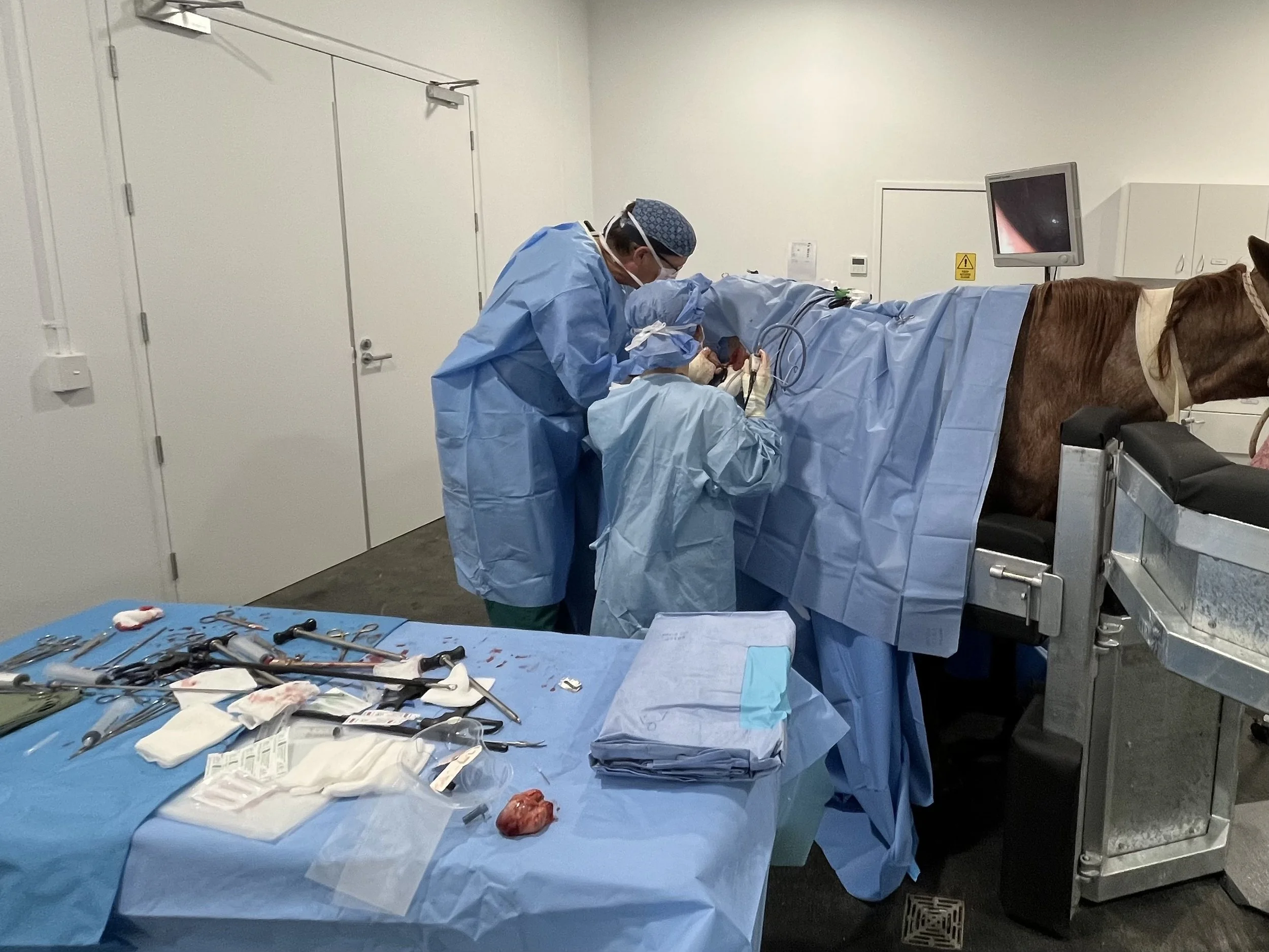
The team performing laparoscopy on the mare
This case is a great example of why behavioural changes in mares deserve a thorough investigation. While hormones can certainly play a role, it is important to first make sure there isn't an underlying source of pain or another medical problem. Once those possibilities have been addressed, there are a number of options available to help find the right solution for both the mare and her owners.
Eyelid lacerations – small wound, big consequences
One Saturday afternoon, a racing gelding arrived at the hospital after sustaining an eyelid laceration at the track.
He was assessed by Dr Bridget, and fortunately the eye itself had escaped injury. However, the eyelid had sustained a full-thickness laceration that required prompt surgical repair.
Eyelid injuries are surprisingly common in horses. Whether it's a fence, stable fitting or an unfortunate paddock mishap, horses have an impressive ability to injure themselves in unexpected ways.
Although these wounds may appear relatively small, repairing them correctly is incredibly important. The eyelids play a vital role in protecting the eye and distributing tears across the surface of the cornea. If the eyelid margin doesn't heal perfectly, tiny irregularities can continually rub against the eye, leading to painful ulcers and lifelong corneal damage.
The surgery was performed standing under sedation and local anaesthesia. Dr Bridget carefully reconstructed the eyelid using a Figure of 8 suture techniques to ensure the eyelid margin aligned perfectly, giving the eye the best chance of healing normally.
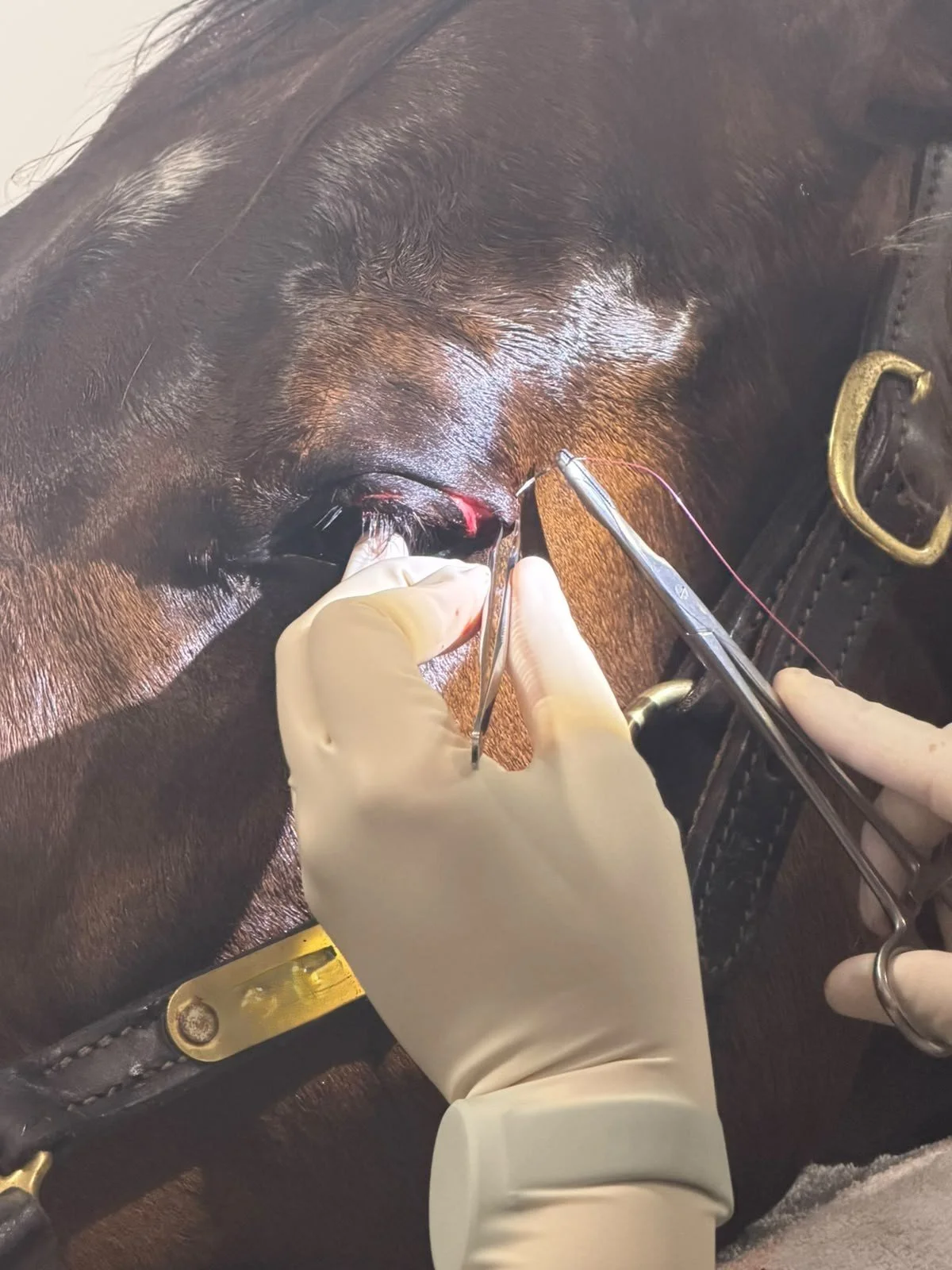
Dr Bridget performing the surgery
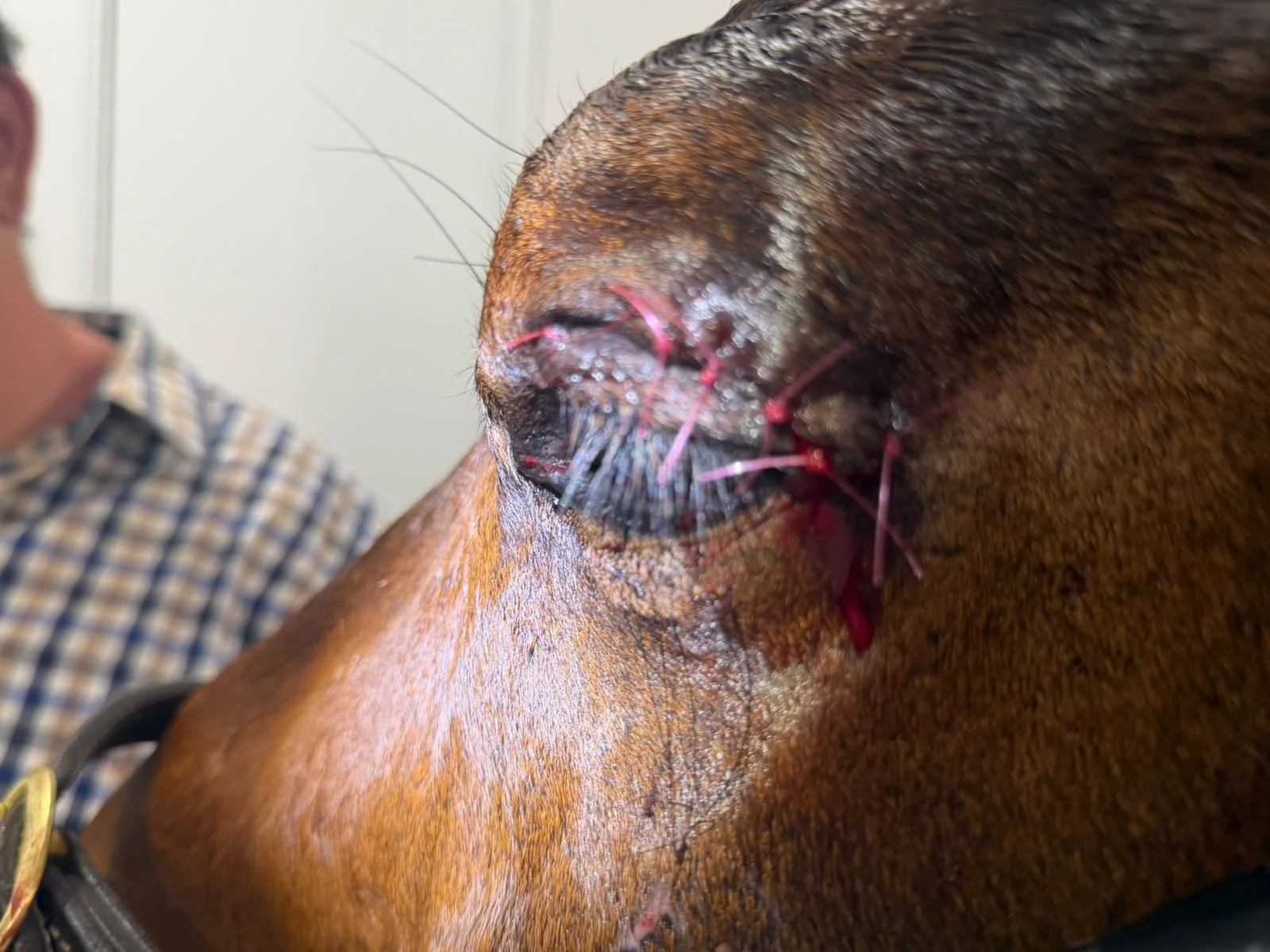
The end result
This case serves as a good reminder that eyelid lacerations should always be considered emergencies. Prompt assessment and careful repair can make the difference between a complete recovery and ongoing eye problems.
We're incredibly grateful for the trust our clients place in us and for the continued support of our referring veterinarians. Whether your horse visits us for a routine investigation, elective surgery or emergency treatment, we're proud to be part of their journey.
We look forward to sharing more interesting cases, practical horse health tips and behind-the-scenes stories with you next month.
The SCEH team.