
Newsletter - August ‘26
Issue 006 - August 2026
We’ve had another busy month at Sunshine Coast Equine Hospital, with a great mix of medical and surgical cases coming through our doors. This month’s newsletter is a little longer than usual, so grab yourself a cuppa and settle in!
From a tiny donkey foal requiring intensive care, to a 16-year-old Thoroughbred exploring regenerative treatment for a stifle injury, and a couple of stubborn wounds that turned out to have more going on underneath the surface, there is plenty to share.
Read on for a look at some of the interesting cases we’ve been managing at SCEH this month.
Alaska – neonate donkey foal with sepsis among other hurdles
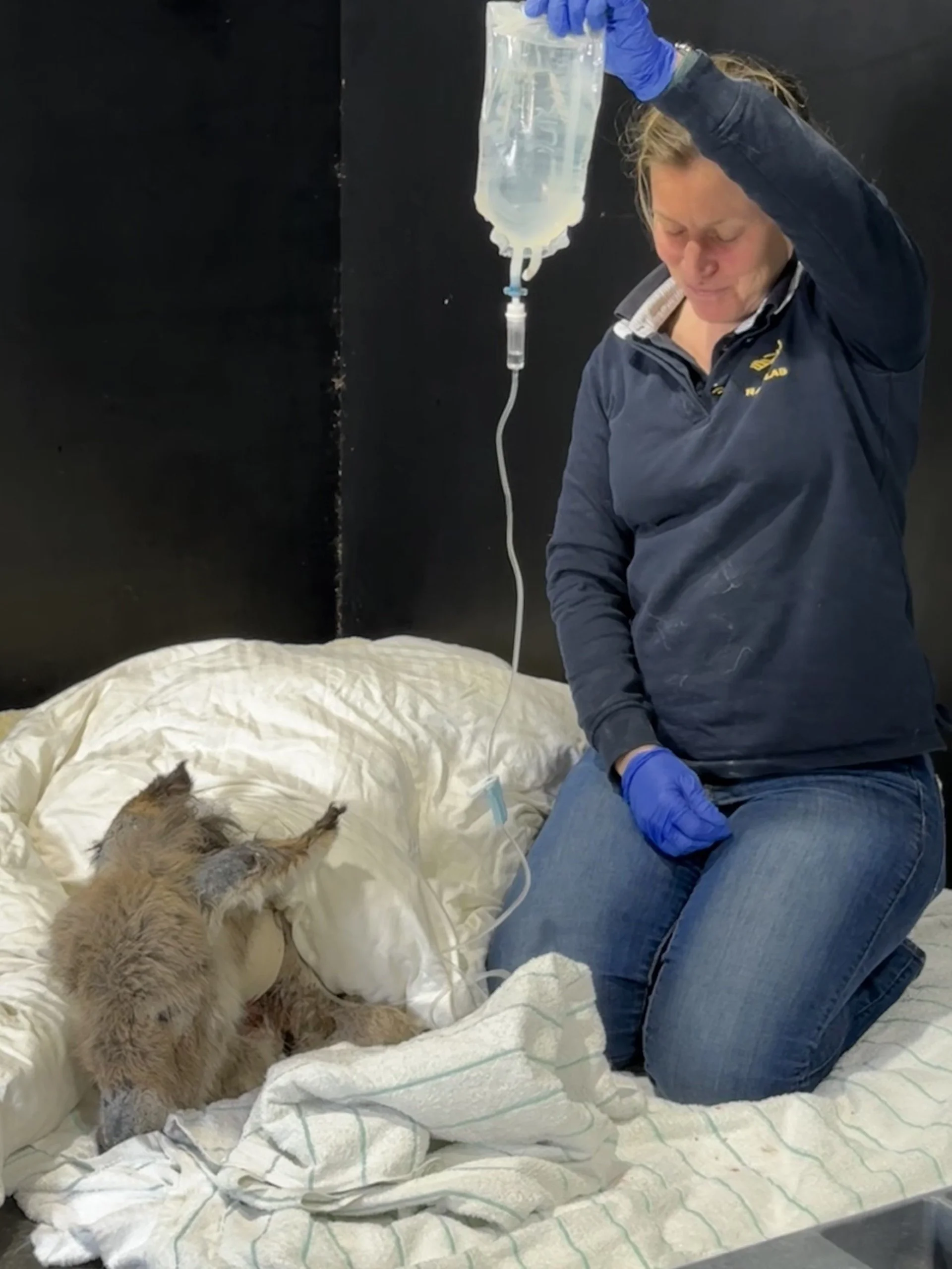
Head nurse Lynette providing initial resuscitation fluids with added glucose when Alaska first came in
Recently we had a particularly special patient through the hospital doors to Dr Brianna, our medicine specialist. Alaska, a very tiny donkey foal, arrived at Sunshine Coast Equine Hospital in a critical condition.
She had been becoming progressively quieter and more lethargic over the preceding week, before being found one morning in the paddock cold, unable to stand and minimally responsive. On arrival, Alaska was extremely cold, with a body temperature of just 34°C, very weak pulses and a low heart rate. She was so weak that she couldn't even maintain herself sitting upright.
Initial blood tests showed that her blood glucose was dangerously low at just 0.9 mmol/L, compared with a normal range of approximately 4–8 mmol/L. Her white blood cell count was also very low, which can be a sign of severe infection. Ultrasound examination of her lungs showed areas of pneumonia, and blood cultures subsequently grew a Gram-negative bacterial infection.
Taken together, Alaska's signs and test results were consistent with sepsis, a severe and potentially life-threatening response to infection. Alaska was immediately transferred into intensive care. She received intravenous fluids and glucose to stabilise her circulation and blood sugar, active warming to bring her body temperature back to normal, and broad-spectrum intravenous antibiotics to fight the infection. She was also given hyperimmune plasma to provide additional antibodies to help her immune system fight the infection.
Being such a tiny and weak foal also meant that getting enough nutrition into her was critical. A nasogastric feeding tube was placed so that she could receive small, frequent feeds of milk while she regained the strength to drink for herself.
Thankfully, Alaska initially responded well to treatment. Her blood glucose returned to normal and her temperature stabilised within the first 12 hours. She remained very weak, however, and required assistance to stand and walk. She continued to receive round-the-clock intensive care and gradually became stronger and more interactive.
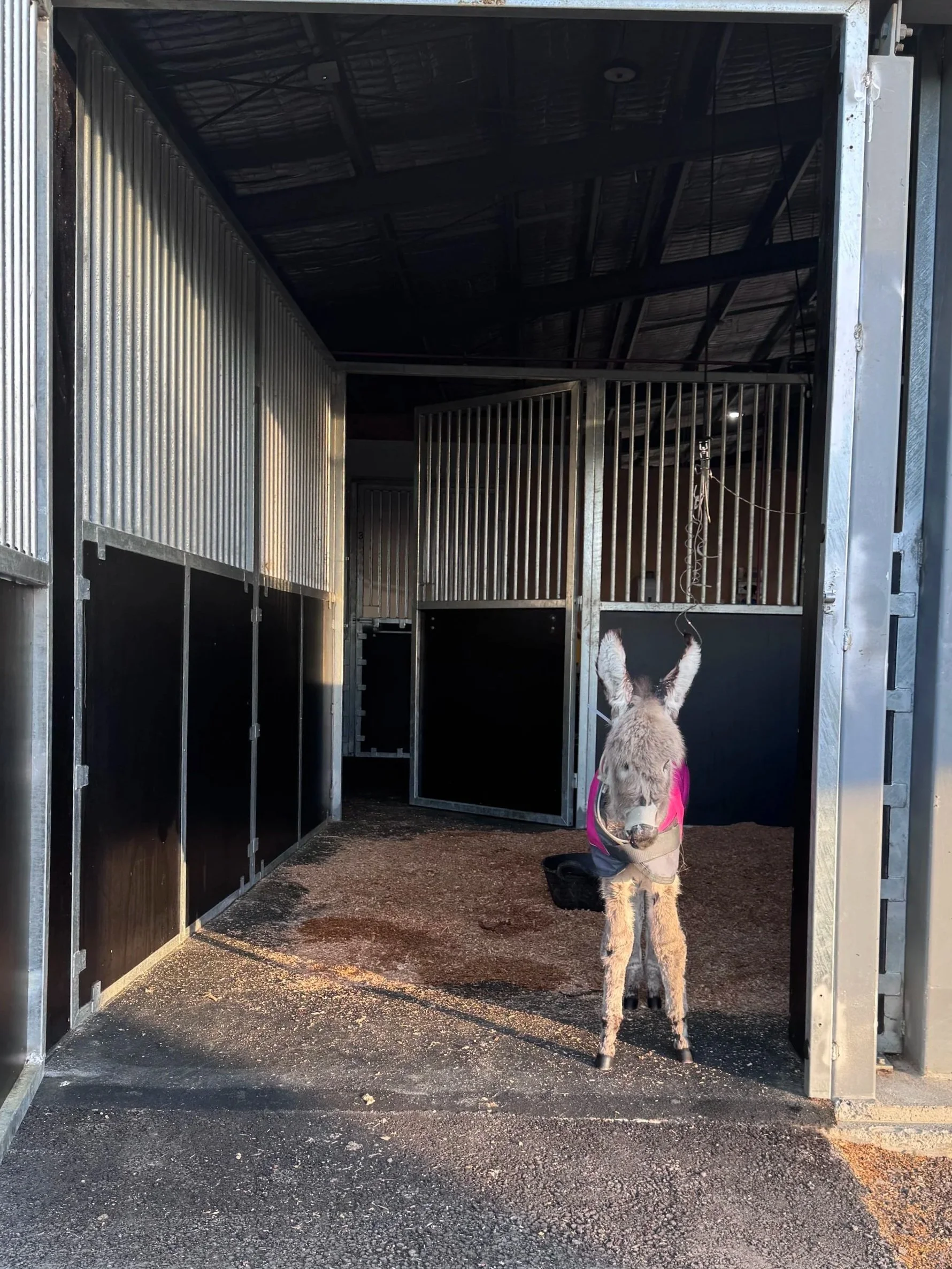
Alaska having some time outside her stable
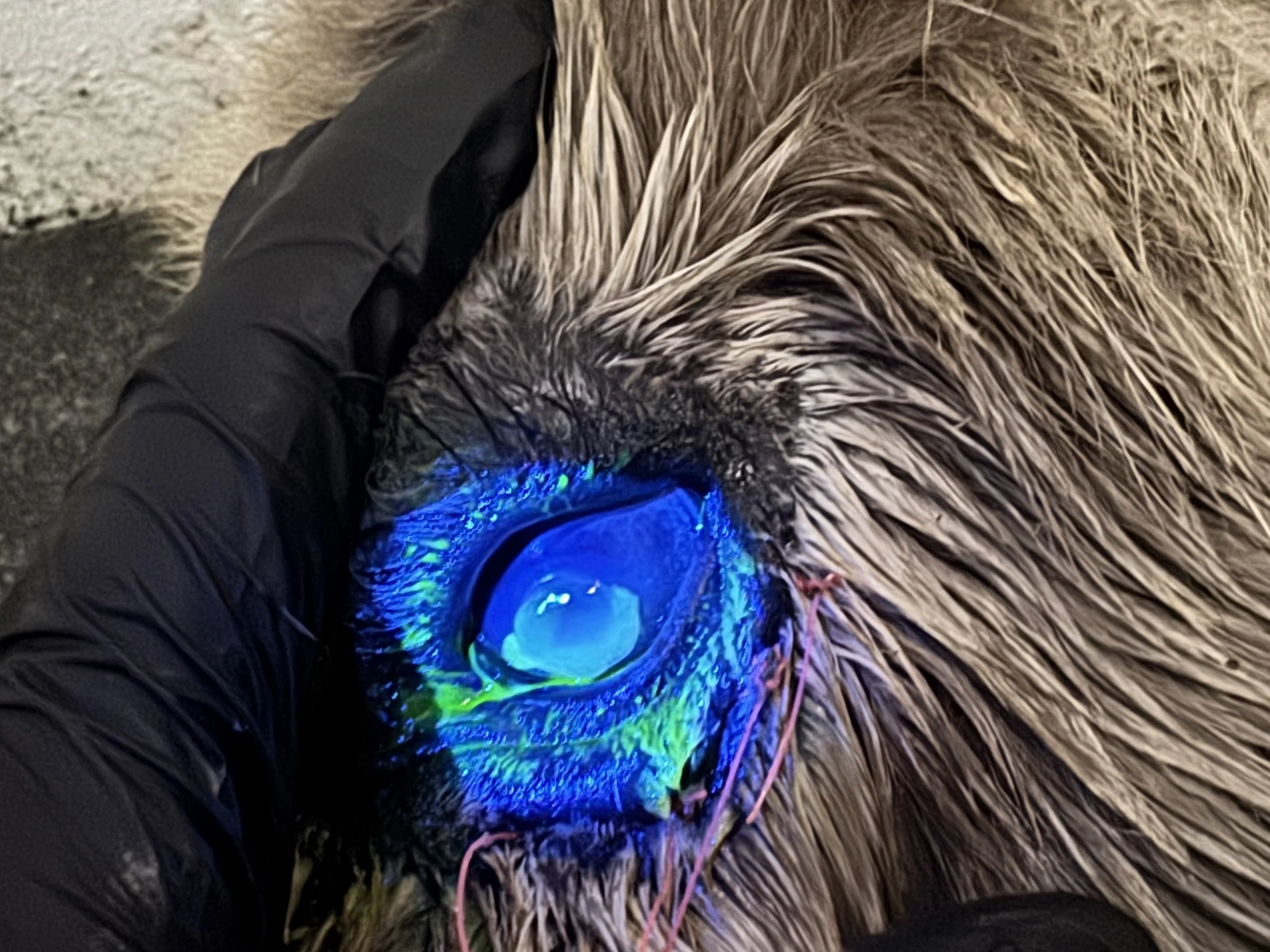
The corneal ulcer present due to entropion
Then came another challenge. Alaska developed had a few seizures and was noticeably stiff through her neck when walking, further supporting our concern that the infection had affected her nervous system and she had likely developed meningitis. Antiseizure medication was commenced and she continued to be closely monitored. Following stabilisation in hospital she was discharge for ongoing nursing care at home with frequent rechecks with Dr Brianna at SCEH.
As Alaska improved, she unfortunately developed another problem. An entropion, where the eyelid rolls inwards, causing the eyelashes and eyelid to rub against the surface of the eye. This resulted in a nasty corneal ulcer. We placed sutures to help roll the eyelids back out to ensure no further rubbing occurred and she was administered topical eye medications frequently, and healing occurred.
Alaska's case is a good reminder of just how quickly young foals can become critically ill. In her case, it is likely that her jenny was not producing enough milk for her, leaving her very small and underweight and with less energy and immune reserve to fight an infection. It is also unknown if she received adequate immunity from colostrum after birth. Once a young foal becomes weak, it can quickly become a difficult cycle of poor nutrition, low blood sugar and an inability to fight infection effectively.
Getting Alaska home was not the end of her treatment. She went home with ongoing nursing care, including frequent milk feeds, antibiotics and antiseizure medication and eye medications. There have still been a few hurdles along the way, but her owners have been incredibly dedicated to her care and have worked closely with our veterinary and nursing team throughout her recovery.
Despite how sick she was when she arrived, we are very pleased that Alaska has rejoined her donkey herd and doing what a normal foal does, running around and playing! Donkeys certainly seem to have an incredible amount of determination, and this little patient has been no exception.
Alaska's recovery has truly been a team effort between our vets, nursing staff and her incredibly dedicated owners. We were thrilled to see this tiny foal head home after her very big fight, and we're looking forward to seeing her continue to grow stronger.
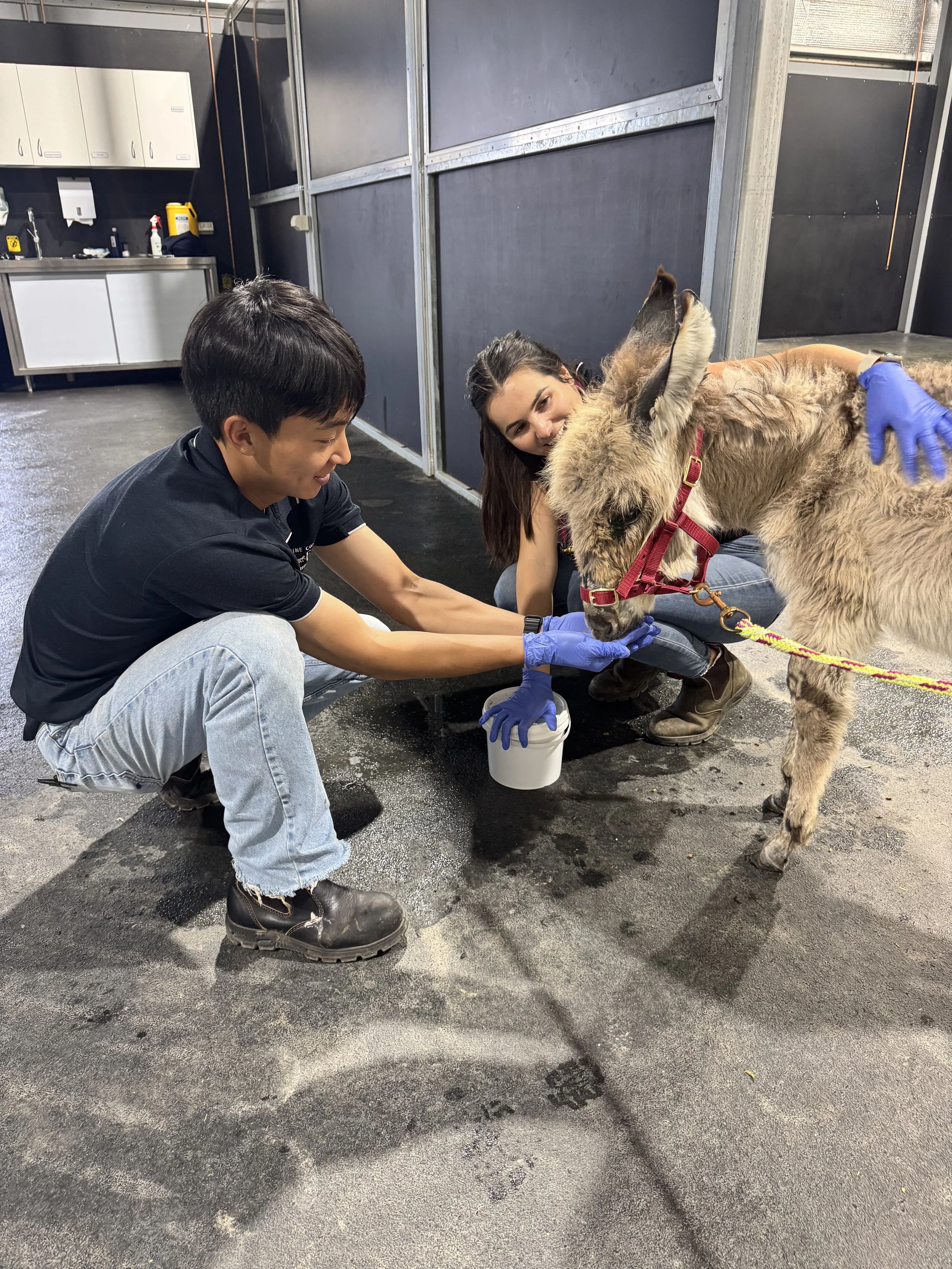
Alaska coming in for her most recent recheck with Vet Nurse Jun and Veterinarian Dr Mikarla
When a wound just won't heal
This month we have had a bit of a run of sequestrum cases at SCEH, with two horses presenting with wounds over the cannon bone that simply refused to heal.
Our first patient was a 4-year-old Quarter Horse gelding competing in Western Dressage who presented to Dr Bridget. He had injured his hindlimb several weeks earlier and initially had standing surgery to close the wound. Unfortunately, despite treatment, the wound continued to discharge and showed little interest in healing.
Further investigation with X-rays revealed the problem: a sequestrum involving the cannon bone. A sequestrum is essentially a piece of dead bone that has separated from the healthy bone around it. Once this develops, the body's ability to heal the area can be significantly compromised, particularly if the fragment is infected or surrounded by damaged tissue.
Unfortunately, these cases have a low chance of resolving with antibiotics alone, as medication cannot restore a piece of dead bone to healthy tissue. Surgery was therefore recommended to remove the sequestrum along with the damaged and potentially infected tissue surrounding it.
Because of the location of the wound, the procedure was performed under general anaesthesia. He recovered well, spent a few days in hospital and has continued to heal nicely. We recently received some progress photos showing excellent improvement, and if everything continues as planned, he should be able to return to the show ring in the coming months.
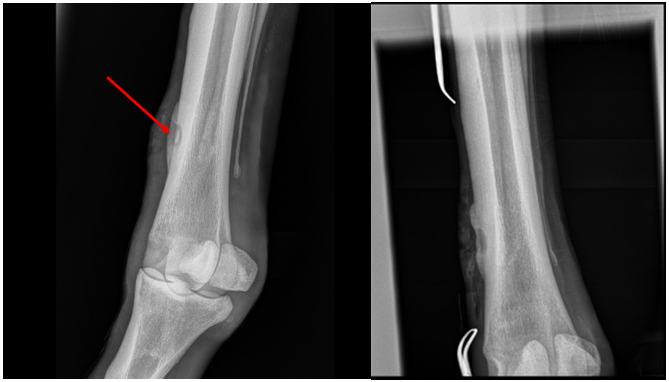
Radiographic images of the sequestrum of the cannon bone before and during surgery
Our second patient was a 5-year-old Thoroughbred gelding who had recently retired from racing and started a new career as a showjumper. He sustained a wound to his left hind cannon bone approximately six weeks before coming to SCEH. At the time, he also developed significant cellulitis, or inflammation and infection of the tissues within the limb.
His referring veterinarian treated him with systemic antibiotics and frequent bandage changes, and thankfully the cellulitis improved. The wound itself, however, remained stubbornly non-healing.
Once again, X-rays provided the answer. A sequestrum had developed in the fourth metatarsal, this time involving the lateral splint bone. Surgical removal was recommended and performed under general anaesthesia by Dr Tias. Interestingly, bacterial culture collected during surgery did not grow any bacteria, demonstrating that a wound can still have a significant underlying bone problem even when we cannot identify an active infection.
This gelding is still in the early stages of his recovery, but so far he is progressing well.
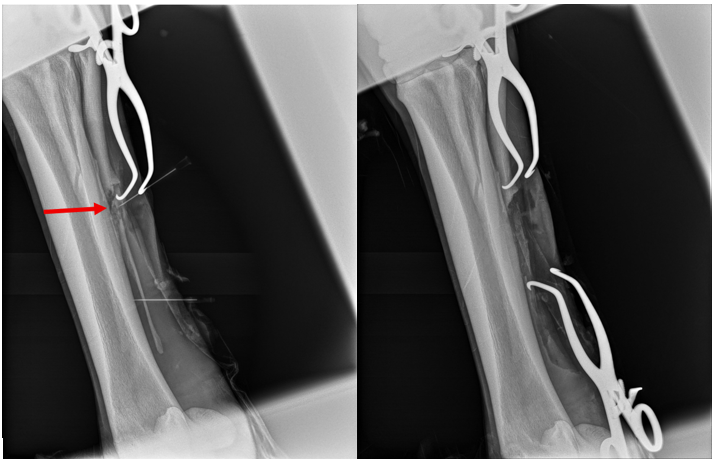
Radiographic images during surgery of the splint bone before and after removal
These two cases are a good reminder that not every wound that fails to heal simply needs more time. Injuries over the cannon bone can cause damage to the bone and can prevent a wound from healing normally.
If a wound is persistently discharging, remains open or simply isn't progressing as expected, further investigation may be needed. Sometimes a simple X-ray can reveal what is happening underneath the surface and, as these two horses demonstrated, finding the problem is the first step towards getting the wound back on track.
ProStride – using the horse’s own blood to help an injured joint
Recently we saw a 16-year-old Thoroughbred who is still very much enjoying an active life as a pony club and showjumping horse. After a particularly intense period of work at Pony Club, he was pulled up lame. Despite a period of rest and a change of paddock, his right hindlimb lameness persisted for around 6–8 weeks.
On examination, he was in excellent physical condition, with a body condition score of 5/7 and good muscle development. He was clearly lame on the right hindlimb and had a moderate to strong response to flexion testing. There was also some fluid within the medial femorotibial joint, making the stifle an area of interest.
X-rays of the hocks and stifles were performed first. The hocks looked unremarkable, but there were some changes around the medial aspect of the stifle, including irregular new bone formation along the medial tibial plateau. Ultrasound examination then provided more information. The cranial portion of the medial meniscus appeared abnormal, with disruption and extrusion of some of the fibres.
The meniscus is an important structure within the stifle, helping distribute load and provide stability within the joint. Injuries to the meniscus can therefore be frustrating to manage, particularly in horses that are expected to return to athletic work.
We discussed a number of treatment options, including prolonged rest and rehabilitation, medications injected directly into the joint, shockwave therapy, surgical evaluation and regenerative therapies such as ProStride APS. Ultimately, the best approach depends on the individual horse, the severity and location of the injury, and what we are hoping to achieve with their future workload.
For this horse, ProStride was selected as part of the treatment plan.
So, what exactly is ProStride?
ProStride APS is made from the horse’s own blood. A blood sample is collected and processed to concentrate platelets, white blood cells and proteins involved in regulating inflammation and tissue repair. The final product is then injected into the affected joint.
One of the important components is a protein called interleukin-1 receptor antagonist, or IL-1Ra. This helps block the effects of interleukin-1, an inflammatory signal involved in joint inflammation and cartilage degradation. ProStride also contains growth factors released from platelets, which may help influence the joint’s healing environment.
There is encouraging evidence for the use of APS in horses with osteoarthritis, including a controlled study demonstrating improvements in lameness and objective measures of movement following treatment. However, it is important to remember that ProStride is not a magic fix, and it does not simply repair damaged cartilage or heal every joint injury. The response can vary between horses and further research is still needed to understand exactly which horses are most likely to benefit.
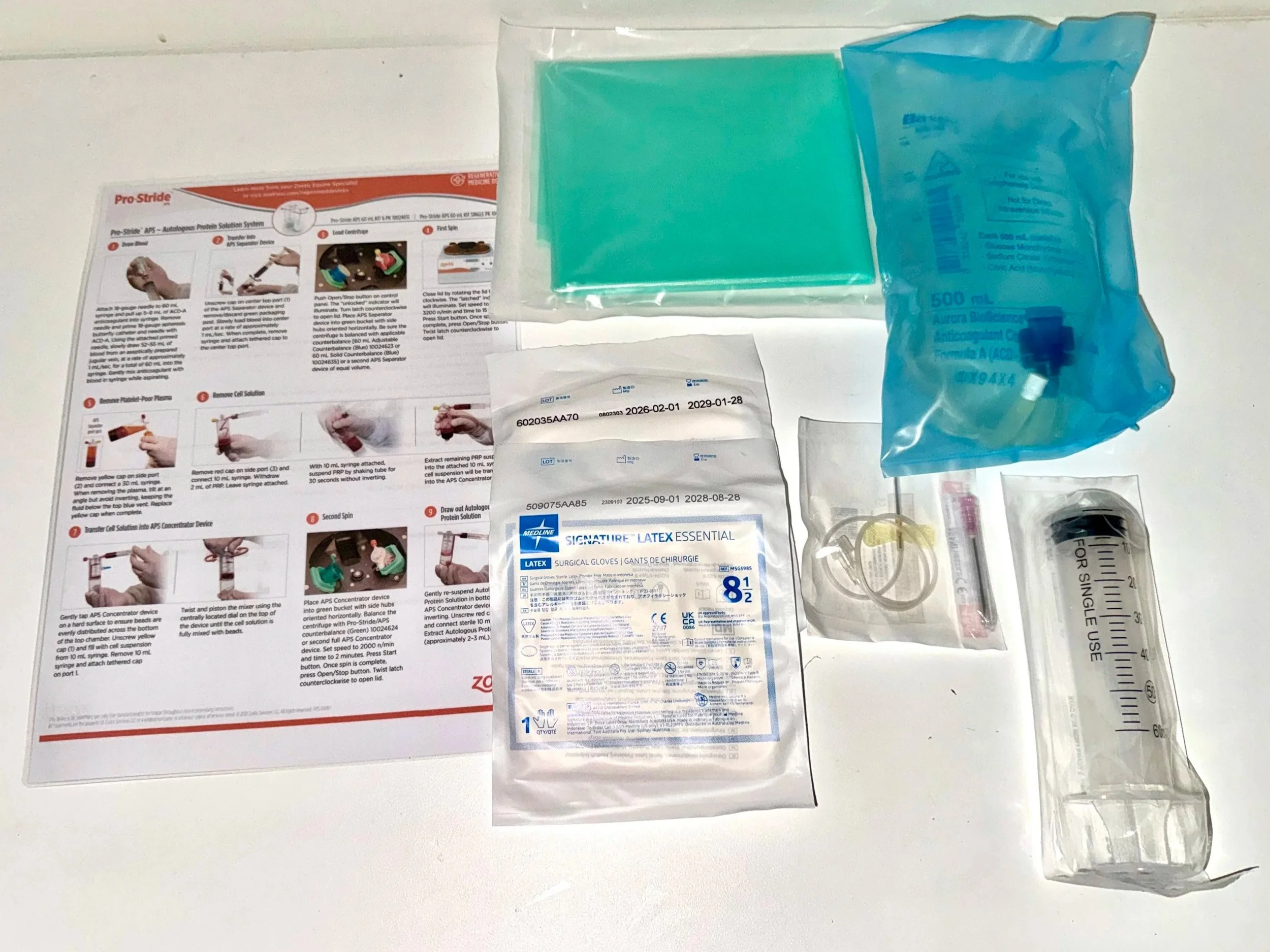
Set up required for prostride
For this Thoroughbred, the aim was to help manage inflammation within the stifle while allowing time for the injured meniscus to settle. A prolonged period of rest was still an important part of the treatment plan, with an estimated 5–7 months before considering a return to work.
This case is a good example of why lameness investigations don't always end with a simple answer. Sometimes the imaging findings, the horse's age, intended use and the available treatment options all need to be considered together to develop a realistic plan.
For this horse, the goal is not simply to get him comfortable in the short term, but to give him the best possible chance of returning to the activities he enjoys. At 16 years old, he certainly isn't ready to retire from Pony Club and showjumping just yet!
Another busy month wrapped up at SCEH! We love sharing some of the interesting cases that come through our doors and giving you a glimpse behind the scenes.
Thank you for your continued support as we grow. We look forward to sharing more horse health stories with you next month!
The SCEH team