
Issue 008
We’ve had another busy month at Sunshine Coast Equine Hospital, with some fascinating medical and surgical cases keeping our team on their toes.
This month, we’re looking at two horses who needed blood transfusions, a racehorse undergoing surgery to improve his breathing and performance, and three horses who found relief from painful eye conditions through enucleation. These cases highlight the range of care we provide at SCEH, from emergency and intensive care through to specialist surgery and some difficult decisions made in the best interests of the horse.
Saving lives with blood transfusions
This month, we treated two horses with significant bleeding who required blood transfusions to help save their lives.
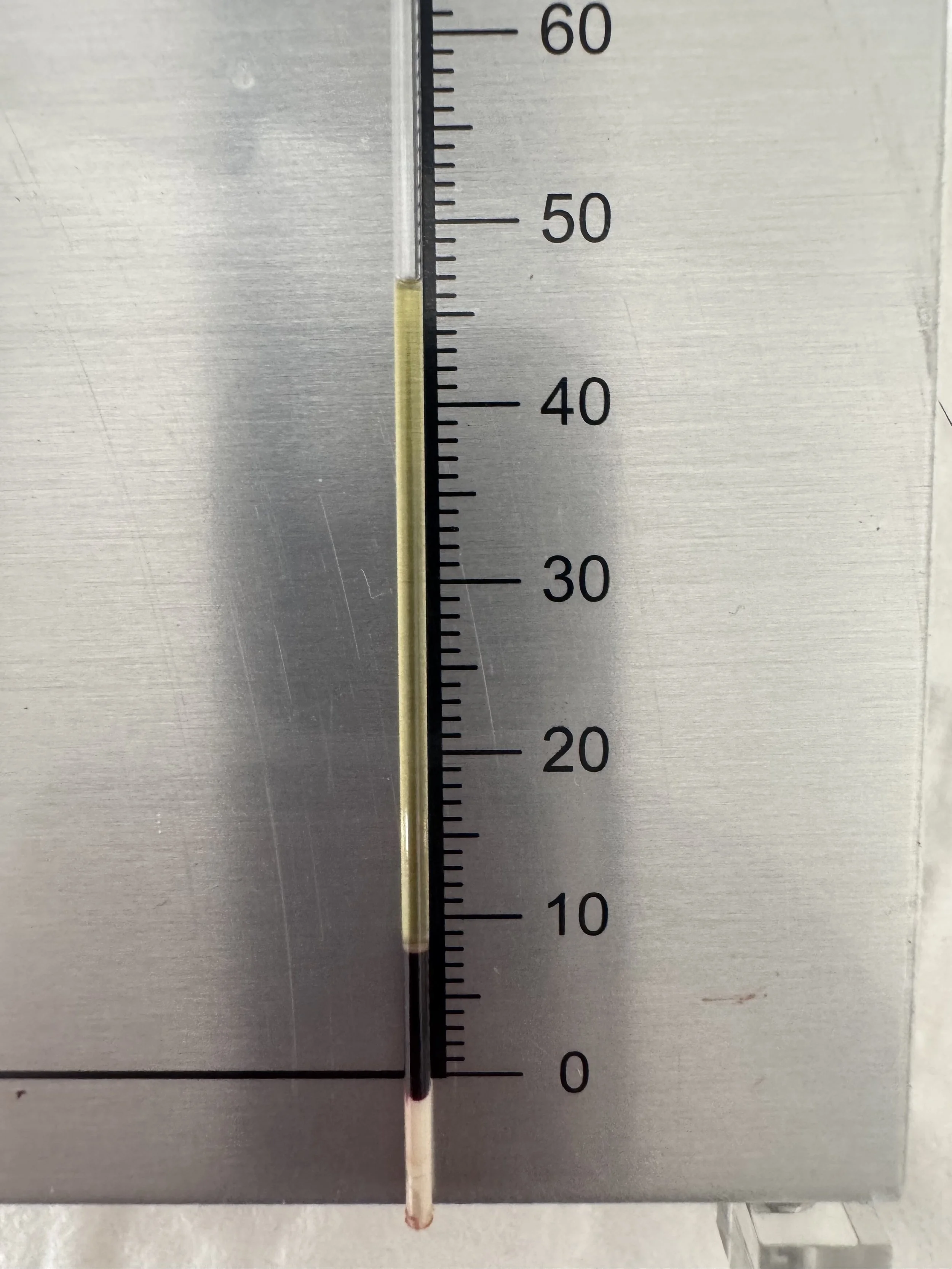
Very low PCV of 8%
The first was a Warmblood mare who had sustained a traumatic injury to her skull, resulting in multiple fractures and severe, ongoing bleeding from her nostrils. When she arrived at SCEH, she was showing early signs of shock, and intravenous fluids were started. Despite treatment, her condition deteriorated over the following hours. Her heart rate and blood lactate increased, while her packed cell volume (PCV) decreased, indicating that she was struggling with ongoing blood loss and developing haemorrhagic shock. She also developed mild signs of colic.
The second horse had acute colic, but further investigation revealed a very different problem: a haemabdomen, meaning blood had accumulated within the abdominal cavity. Swirling fluid was seen on abdominal ultrasound, and a sample collected using abdominocentesis (a procedure commonly known as a belly tap) confirmed the presence of blood. There are several possible causes of haemabdomen in horses, including rupture of a uterine artery in broodmares, cancer and, in some cases, bleeding where the underlying cause remains unknown. This horse was also showing signs of haemorrhagic shock, including an increased heart rate, pale gums and a falling PCV.
So, how do we decide when a horse needs a blood transfusion?
It is not as simple as looking at one blood test result. PCV measures the proportion of blood made up of red blood cells, which carry oxygen around the body. Interestingly, horses have a large reserve of red blood cells stored in their spleen. When a horse is stressed, the spleen contracts and releases these cells into circulation, potentially increasing PCV by up to 40%.
This makes assessing acute blood loss particularly challenging. In the early stages of severe bleeding, PCV can remain deceptively normal because of splenic contraction and the time required for fluid shifts to occur within the body. Instead, we look at the whole picture, including heart rate, mucous membrane colour, blood lactate, PCV trends and the horse’s overall clinical condition.
In both cases, blood donors came from within our own SCEH family. Nurse Kara's horse, Paris, donated blood for the first mare, while Dr Mikarla's horse, Chino, helped save the second.
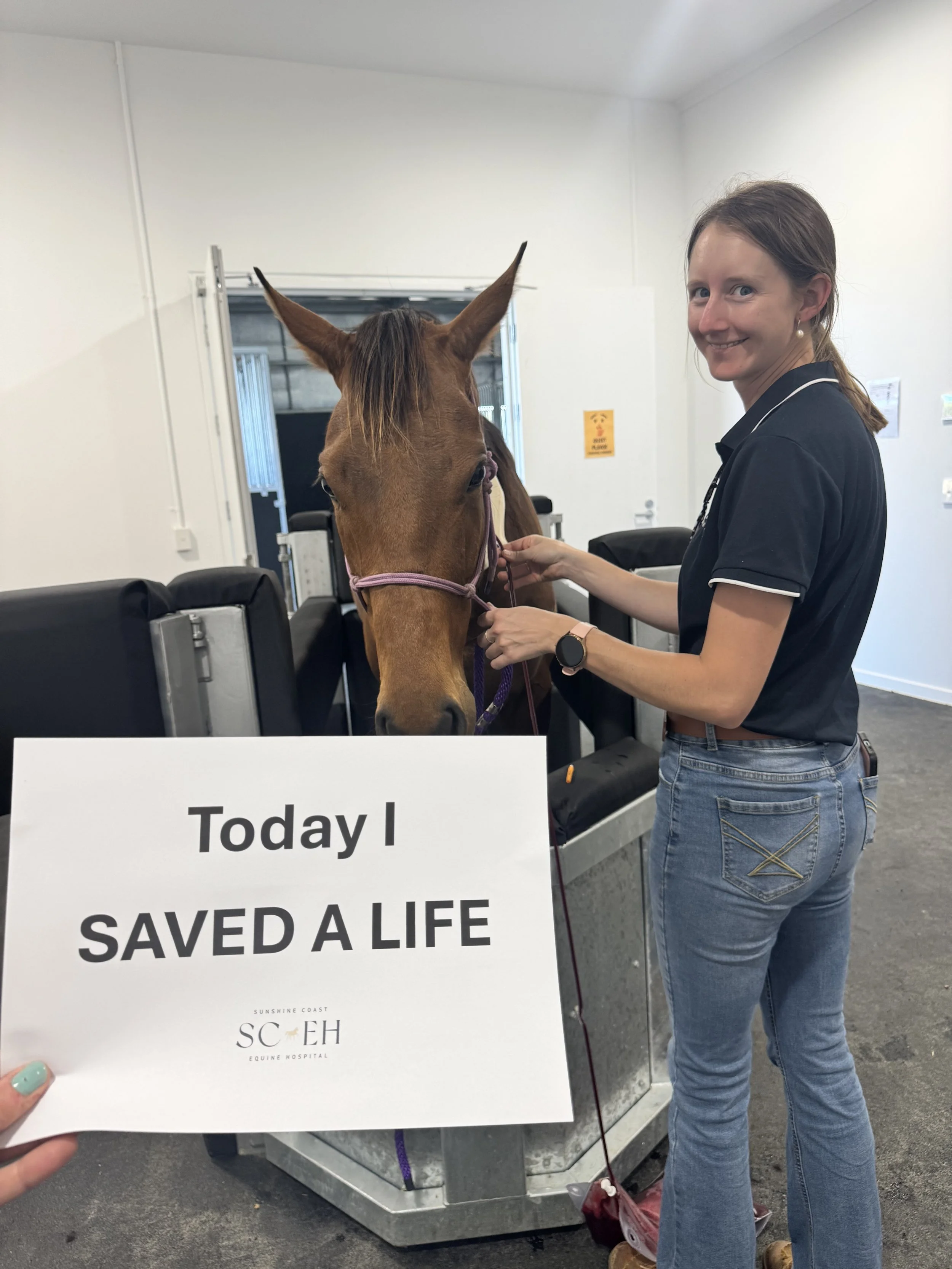
Nurse Kara with her horse Paris donating blood
Unlike humans, horses do not have a universally compatible blood donor type that we can rely on in every situation. Ideally, donors are screened for suitable blood types and selected based on factors such as their size, health and history. In an emergency, however, there may not be time for all the ideal testing before a transfusion is needed.
A blood transfusion provides a vital boost while the horse stabilises and begins replacing lost red blood cells through its own bone marrow. Both horses required rapid assessment and treatment, and having suitable donors available made a critical difference. We are incredibly grateful to Paris and Chino for their contribution.
We are always interested in hearing from owners who may have suitable horses willing to become blood donors. Ideally, donors should be aged 3–15 years, healthy, over 500 kg, and either geldings or mares that have never had a foal. They must also never have received a blood or plasma transfusion. If you think your horse might be a suitable donor that we could have on standby in an emergency, please get in touch with our team.
Helping a racehorse breathe easier
This month, Dr Tias was referred an eight-year-old Thoroughbred racehorse with a history of making abnormal respiratory noise during exercise and failing to perform as expected. An endoscopic examination at rest revealed that the left arytenoid cartilage was not opening adequately. This condition is known as left laryngeal hemiplegia, commonly called “roaring”.
The larynx, sits at the entrance to the trachea and plays an important role in allowing air to move freely into the lungs. In affected horses, degeneration of the recurrent laryngeal nerve reduces the function of the muscles responsible for opening one side of the larynx. During intense exercise, this can restrict airflow just when the horse needs it most, limiting athletic performance. The condition is relatively common in racehorses and can range in severity. For horses where the restriction is significant, surgery may be recommended to improve airflow.
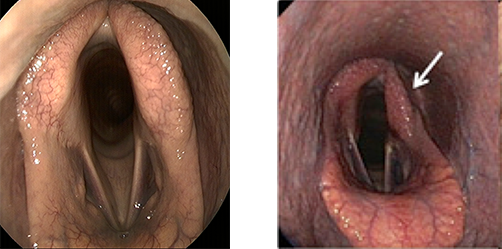
Image of normal larynx (left) and a horse with LLH (right)
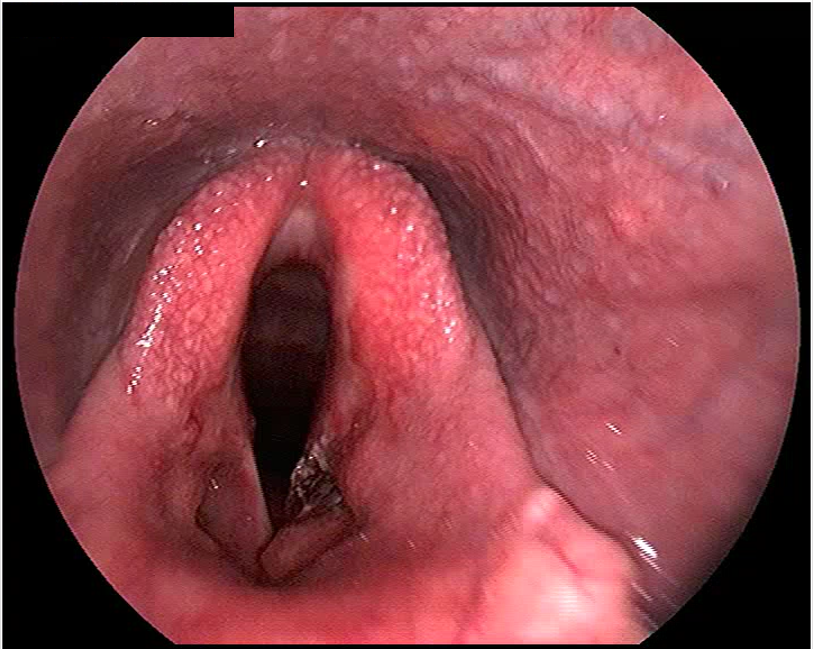
Endoscope image of the horse after surgery showing well adducted left arytenoid
Dr Tias performed a procedure called a prosthetic laryngoplasty, often referred to as a “tie-back”. A permanent prosthesis is placed to hold the left arytenoid cartilage in a more open position, helping air pass into the lungs more easily. He also performed a ventriculectomy, removing the lining of a small pouch within the larynx as part of the overall surgical management.
Following surgery, the horse will need a period of recovery and a carefully managed return to exercise and we hope this treatment will allow him to breathe more comfortably during strenuous work and give him the best opportunity to return to racing.
When removing an eye is the kindest option
Eye problems in horses can be incredibly painful, and some conditions can progress surprisingly quickly. While our aim is always to preserve the eye where possible, there are times when removing it, a procedure called enucleation, offers the best outcome for the horse and client.
For owners, this can be an understandably difficult decision. Eyes are important, and the thought of removing one can feel confronting. However, horses generally adapt remarkably well to life with one eye. Once healed and accustomed to their altered vision, many continue to enjoy comfortable, active lives, including being ridden for pleasure or competition.
It is also worth knowing that enucleation can sometimes be the more straightforward and affordable option. Treating severe or chronic eye disease may involve frequent medication, weeks or months of hospitalisation, specialist eye surgery and repeated rechecks, without any guarantee that the eye can ultimately be saved. In selected cases, removing a painful eye early can spare a horse prolonged discomfort and an owner the emotional and financial burden of treatment with a poor long-term outlook.
This month, we had three horses for whom enucleation was chosen after careful consideration of their individual circumstances.
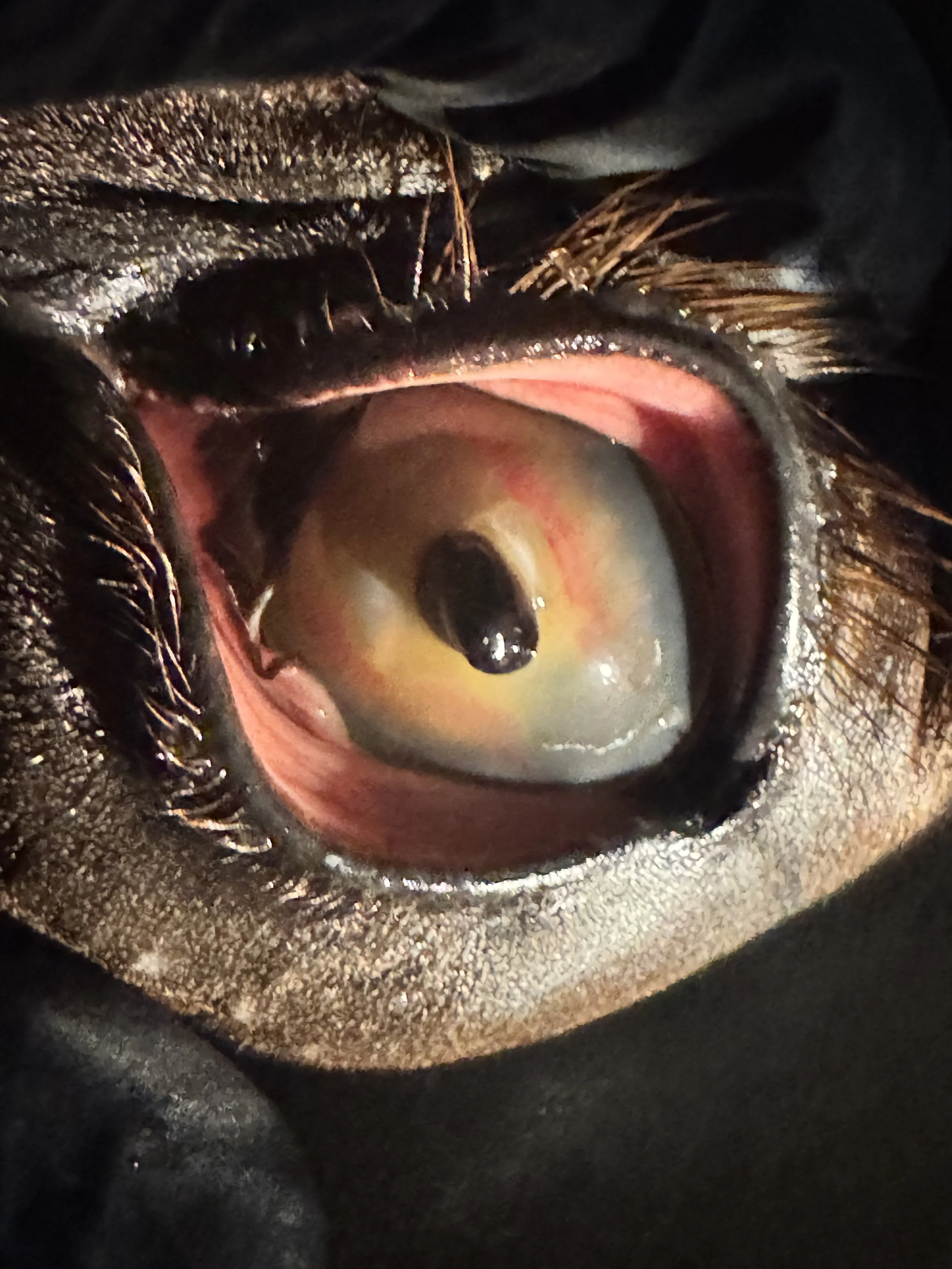
Severe corneal disease with iris prolapse
The first was a Quarter Horse mare who travelled from Central Queensland with her foal at foot. She had developed what initially appeared to be a mild corneal ulcer the week before, but despite treatment, the condition progressed rapidly. By the time she arrived at SCEH, the cornea had ruptured and part of the iris was protruding through the wound (see picture below). Sadly, the damage was severe, and the long-term outlook for the eye was very poor, even with specialist ophthalmic surgery. After discussing the options and prognosis, enucleation was elected to relieve her pain and prevent further complications.
The second case was a lovely, middle-aged Stock Horse gelding who presented with chronic corneal disease that had been treated intermittently over an extended period without fully resolving. Further investigation suggested an underlying immune-mediated component, meaning the condition would likely require ongoing topical treatment to control it. Unfortunately, administering eye medication had become increasingly difficult, and the process was placing a real strain on the relationship between the horse and his owner. This is something owners can find distressing: wanting to do the very best for their horse, but facing a daily struggle that is difficult for both of them. After a thorough discussion of the options, enucleation was chosen as the best option for his long-term comfort and welfare.
The third horse was a middle-aged Thoroughbred cross gelding who had been receiving treatment for a melting corneal ulcer for approximately five days. This is an aggressive type of ulcer in which the corneal tissue breaks down rapidly, potentially leading to perforation and loss of the eye. Despite treatment, his ulcer continued to progress, and he was becoming increasingly painful and difficult to medicate. One option was to hospitalise him for intensive treatment using a subpalpebral lavage (SPL) system, which allows eye medications to be administered through a small tube without repeatedly handling the eyelids. However, treatment would likely have required medication every two hours for weeks, potentially months, and there was still no guarantee that the eye could be saved. Given the severity of the infection, the likely treatment burden and the uncertain prognosis, enucleation was elected. Following the procedure, he experienced significant relief from the pain associated with his diseased eye.
These cases highlight an important message: removing an eye is not necessarily a last resort or a failure of treatment. When an eye is severely damaged, persistently painful or unlikely to respond to treatment, enucleation can be a positive welfare decision.
Another important consideration - while many horses can continue to be ridden and compete successfully with one eye, enucleation is not suitable for every discipline. For example, Thoroughbred racehorses in Australia are required to have vision in both eyes to be eligible to race. A horse’s intended use and competition requirements are therefore important factors to discuss when weighing up treatment options.
Horses do need time to adjust to having vision on one side only. They may initially be more cautious as they learn to compensate for their reduced field of vision, but most adapt very well. With appropriate care and a little time, many return to their usual routines and continue to lead happy, comfortable lives.
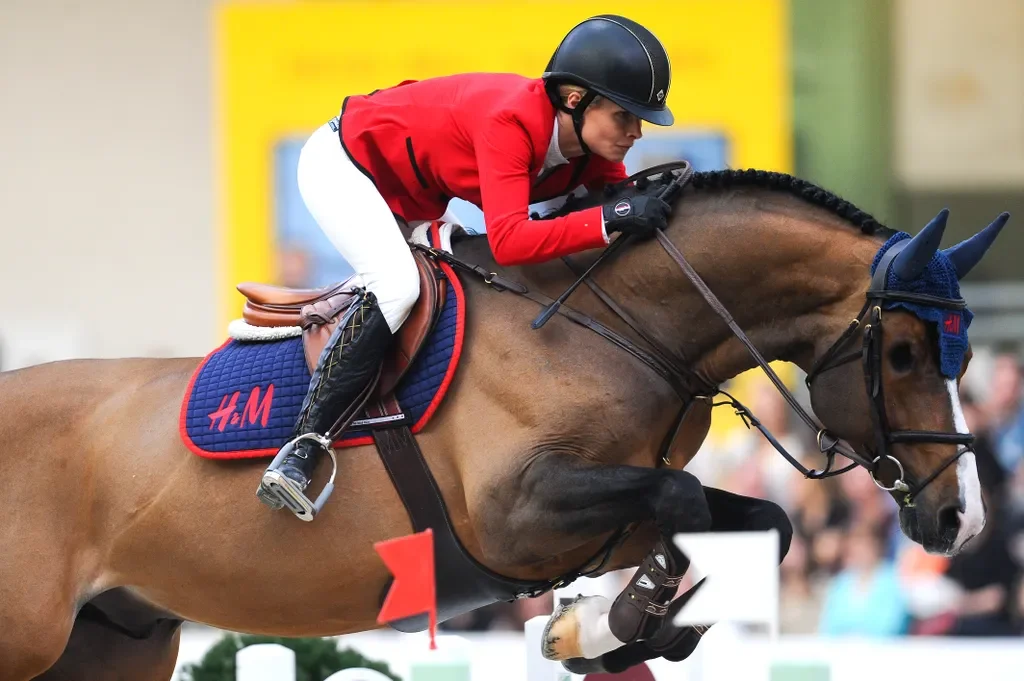
Mali Baryard-Johnsson of Sweden on one-eyed horse H&M Tornesch 1042 in action during the Prix Hermes Sellier during the first day of the Grand Prix Hermes of Paris at Grand Palais on March 14, 2014 in Paris, France.
No matter what cases we see as vets - the right decision depends on the individual horse, the likely outcome, the treatment involved and their quality of life. Our role is to help owners understand those options and make an informed decision that puts their horse’s welfare first.
Another busy month wrapped up at SCEH! From emergency blood transfusions to complex surgery and difficult decisions around a horse’s welfare, every case reminds us how important it is to have the right team and treatment options available.
Thank you for your continued support of Sunshine Coast Equine Hospital. We look forward to sharing more interesting cases and horse health information with you next month!