
Insect Bite Hypersensitivity (Queensland Itch): Effective Management
Dr Mikarla Poole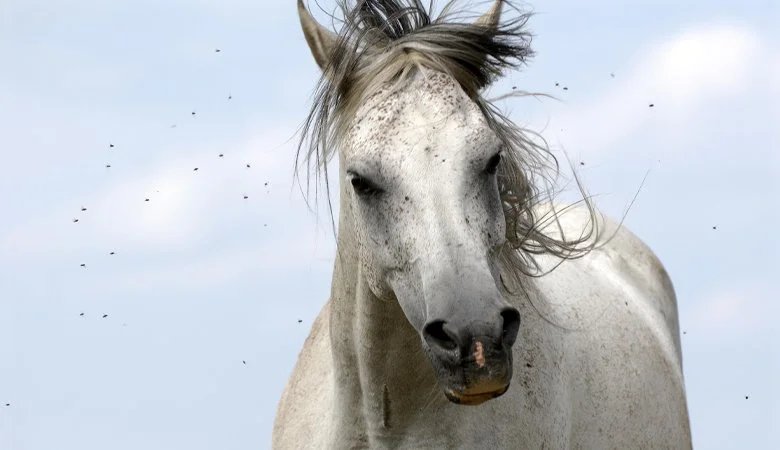
Horse being annoyed by biting flies
Every summer, we see the same pattern
The weather warms, the humidity rises… and horses that were previously comfortable begin to itch. It often starts subtly rubbing the tail, scratching the mane, a little hair loss along the belly. Then, for some horses, it escalates quickly into intense irritation, skin damage, and ongoing discomfort. This is commonly Insect Bite Hypersensitivity (IBH), AKA Queensland (QLD) itch, one of the most challenging conditions we manage on the Sunshine Coast.
What is Insect Bite Hypersensitivity?
IBH (also known as sweet itch) is a hypersensitivity reaction to biting insects, especially midges (Culicoides spp.). Affected horses develop an allergic response to midge saliva, resulting in significant pruritus (itching).
These insects are:
Extremely small
Most active in warm, humid conditions
Most active at dawn and dusk
Common in coastal regions such as the Sunshine Coast and Southern Queensland
Common signs
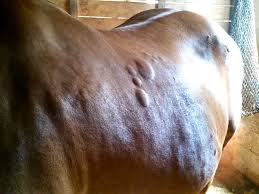
IBH horse with wheals on the thorax
Severity varies between individuals, but common signs include:
Rubbing of the mane and tail
Hives/wheals
Hair loss along the crest, tail head, and ventral midline (under the abdomen)
Thickened or crusted skin in chronic cases
Secondary wounds from persistent rubbing and self-trauma, further complicating case management.
IBH is not just a cosmetic issue, the ongoing irritation and inflammation can significantly impact comfort, behaviour, and performance.
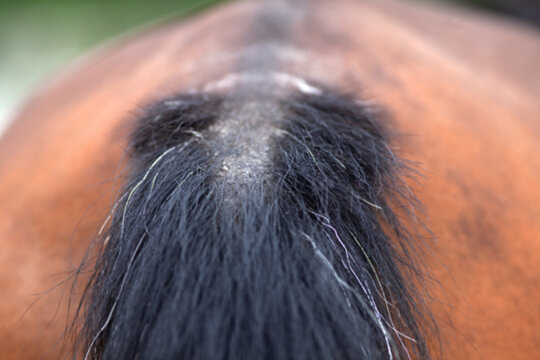
Common clinical signs of IBH including rubbing at the tailhead
Why management can be challenging
One of the most important things to understand is:
No single treatment is sufficient on its own.
Successful control relies on reducing allergen exposure while managing the inflammatory response.
Instead, effective management combines:
Insect avoidance
Barrier protection
Skin care
Medical therapy when required
Consistency is critical, particularly during high-risk seasons.
Management: A practical, multimodal approach
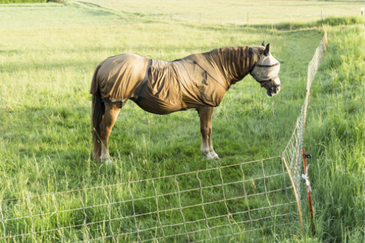
Horse with rug and flyveil for protection against biting insects
1. Insect avoidance – the foundation of control
Minimising exposure to Culicoides (biting midges) is the most effective intervention.
Typical strategies include:
Regular application of insect repellents containing permethrin. This includes reapplication as directed, particularly in humid or high-exposure conditions
Targeting high-risk areas such as the mane, tail, ventral abdomen (belly), and ears
Protective rugs designed for Queensland itch can also be highly effective. These:
Provide a physical barrier
Often incorporate insect-repellent properties
2. Timing of turnout
Biting midges are most active at dawn & dusk.
Where possible:
Stable or yard horses during these periods further from active insects
Turn out during the middle of the day when insect activity is lower
Even small changes in timing can significantly reduce allergen exposure.
3. Environmental management
Simple environmental adjustments can help reduce insect burden:
Use of fans in stables (midges are weak fliers)
Avoid turnout in low-lying, damp, or still areas
Select paddocks with good airflow and minimal standing water
4. Nutritional support
Skin health plays an important role in resilience.
Dietary strategies may include:
Supplementation with omega-3 and omega-6 fatty acids
→ Supports skin barrier function and coat condition
While not a standalone treatment, this can contribute to overall management.
5. Managing flare-ups and skin lesions
When itching occurs, early intervention helps prevent escalation.
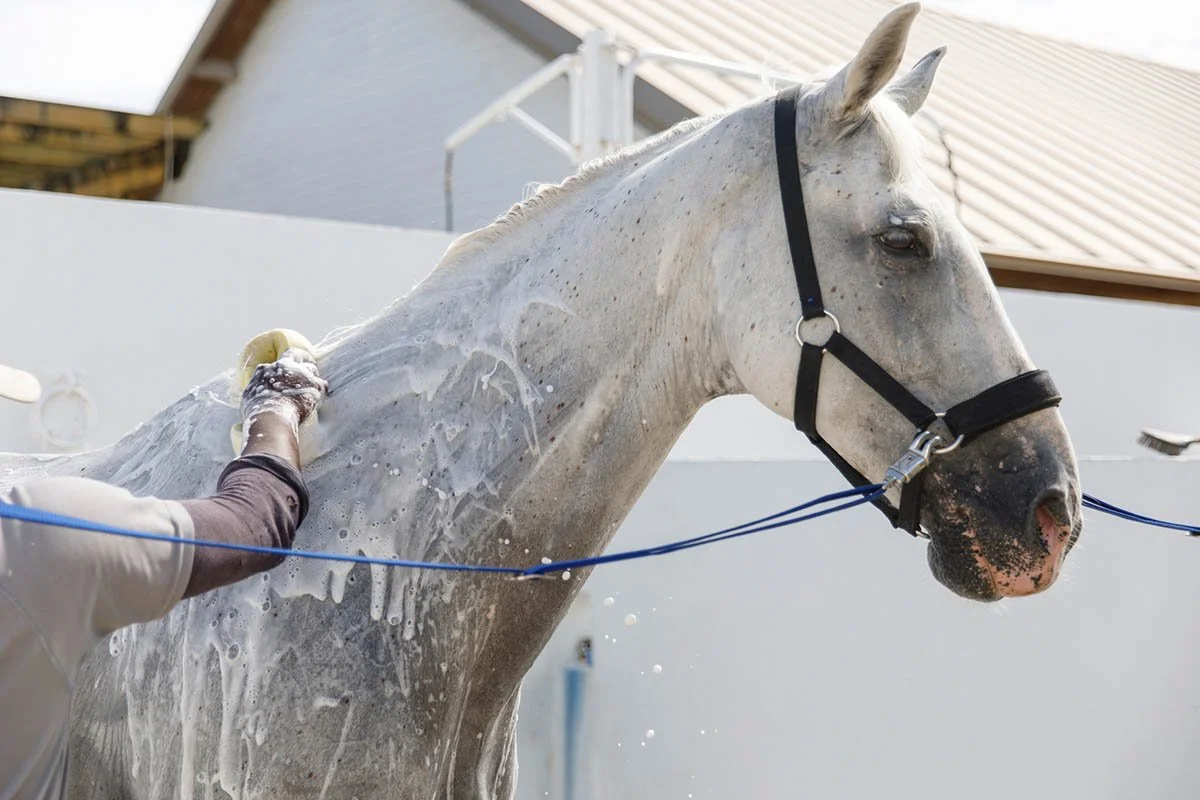
Washing horses in shampoos that protect and nourish is important
Topical care may include:
Application of soothing preparations or barrier to reduce irritation
Gentle cleansing of affected areas to remove crust and debris
Protection of damaged skin and effected areas to reduce further trauma
In more severe cases secondary infections develop and veterinary treatment is required.
When veterinary treatment is needed
Some horses require medical support to remain comfortable.
This may include:
Anti-inflammatory medications such as corticosteroids (topically and/or systemically) to reduce pruritis
Management and treatment of secondary bacterial infections of the skin
Development of a tailored management plan for long term strategies
Importantly:
Medical treatment is most effective when combined with consistent environmental and preventative management. Early and proactive management leads to better outcomes, starting control measures before peak insect season and before clinical signs become severe.
With early recognition, consistent insect control, appropriate environmental management and veterinary support when needed. Many horses can be kept comfortable throughout the season.
Book an Assessment
If your horse is showing signs of itching or you would like to develop a proactive management plan, our team can help guide a structured approach tailored to your horse.
Contact Sunshine Coast Equine Hospital to discuss your horse or arrange an appointment.